





Choosing a Mirror for Your Space
Consider where the mirror will sit, what it needs to reflect and how its proportions relate to the surrounding furniture and architecture. A mirror may serve a practical purpose, introduce another shape or material to the room, or become a stronger visual element in its own right. Scale is particularly important. A larger mirror can have greater presence and reflect more of the surrounding space, while a smaller wall mirror can work above furniture or within areas where wall space is more limited.
Wall Mirrors
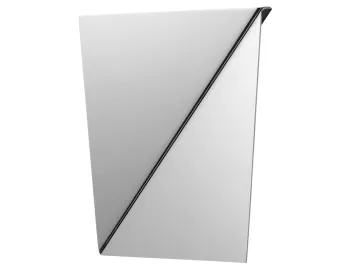
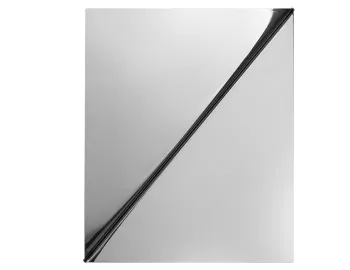
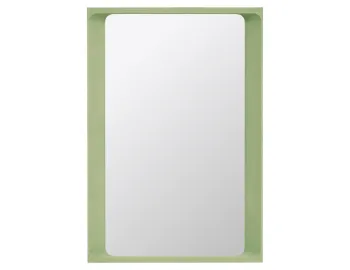
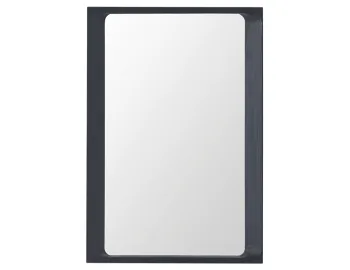
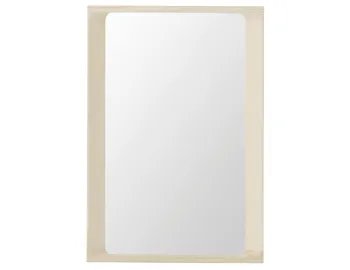
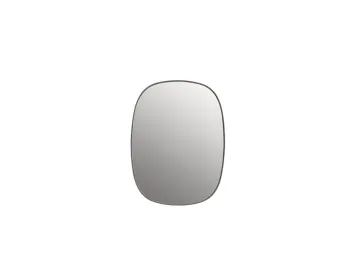
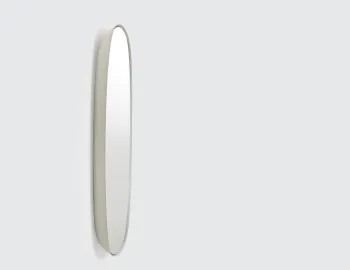
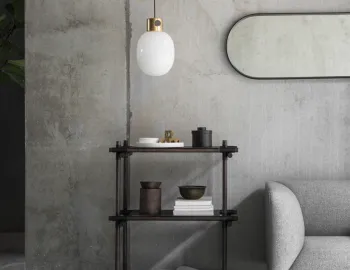
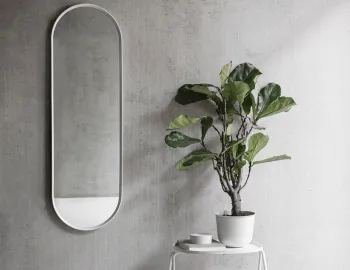
Wall mirrors offer flexibility across entrances, bedrooms, bathrooms and living spaces. Shapes range from clean rectangular and oval profiles to more expressive geometric forms, allowing the mirror to either complement the lines already present in the room or introduce contrast. Before choosing a wall mirror, consider its dimensions, orientation and intended mounting position. Individual product specifications should also be checked where the mirror is intended for a bathroom or other area exposed to moisture.
Floor Mirrors
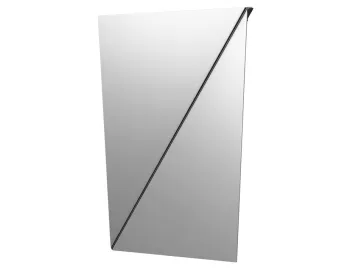
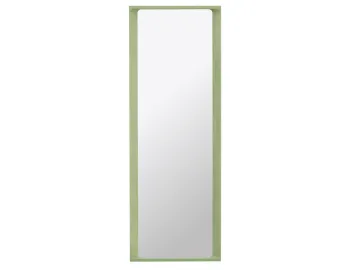
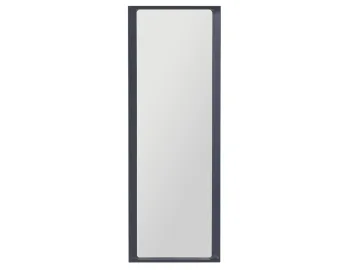
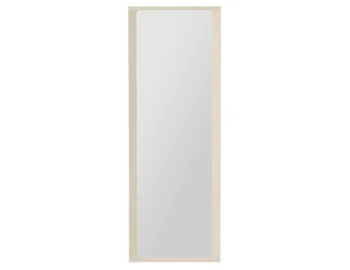
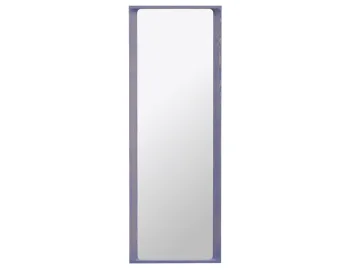
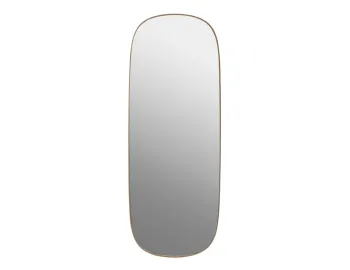
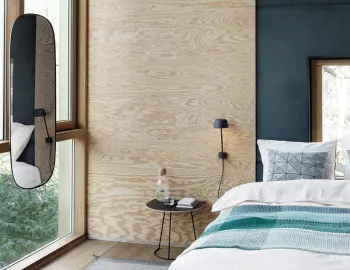
Floor mirrors provide a larger reflective surface and can introduce vertical proportion to a room. Full-length formats are particularly useful in bedrooms and dressing areas, while their scale can also give them a stronger presence within an entrance or living space. Consider the mirror’s dimensions and installation requirements alongside the available floor and wall space before deciding on its position.
Shape, Frame and Material
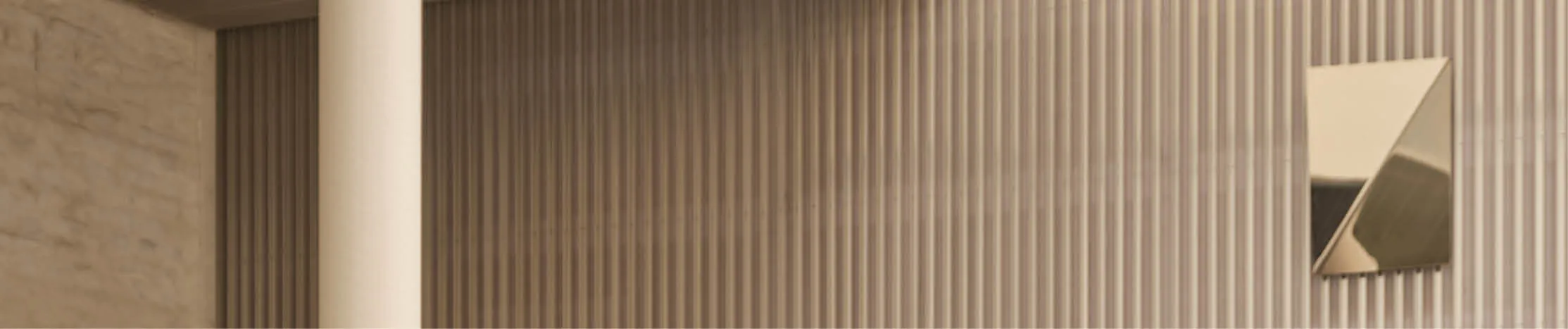
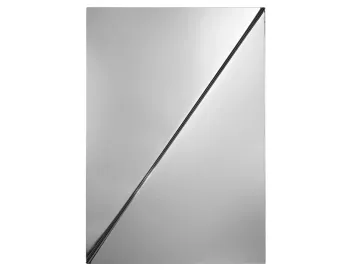
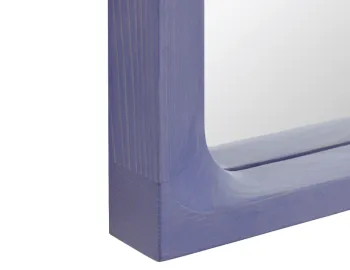
The shape and construction of a mirror influence how it relates to the room around it. Rounded forms can contrast with more linear furniture and architecture, while rectangular mirrors can reinforce existing lines and proportions. Frames in timber, aluminium, steel and other materials introduce another finish to consider alongside nearby furniture, lighting and homewares. Some mirrors also explore reflection itself through coloured glass, unusual geometry or sculptural framing.
Mirrors Beyond Their Practical Purpose
Mirrors can interact with light, colour and the surrounding interior as well as provide a reflection. Positioning a mirror opposite or adjacent to an interesting view, object or area of the room can change what becomes visible from different positions. Complete the surrounding space with pieces from Huset’s Lighting, Console Tables and Homewares collections.
Explore Mirrors in Melbourne
Shop mirrors online or visit Huset’s Cheltenham showroom to experience selected sizes, materials and finishes. If you would like to view a particular mirror, contact our team before visiting to confirm its current showroom availability.
Frequently Asked Questions
Consider the available wall or floor space and the furniture positioned around the mirror. A larger mirror can provide a broader reflection and stronger visual presence, while a smaller format may suit more confined areas or placement above furniture.
Wall mirrors are mounted to the wall and are available in a wide range of sizes and shapes. Floor mirrors are generally larger, often providing a full-length reflection and creating a more substantial vertical element within the room.
Consider both what the mirror will reflect and how it relates to surrounding furniture, lighting and architecture. Entrances, bedrooms, dressing areas and living spaces are common locations, but the appropriate position depends on the mirror and room.
Only where the individual mirror is suitable for the conditions. Check the product specifications before installing a mirror in a bathroom or other area where it may be exposed to moisture.
Not necessarily. A mirror can relate to surrounding furniture through material, colour or shape, or deliberately introduce contrast through a different finish or form.
A mirror can reflect more of the surrounding room and light, which can increase the visual sense of depth. The effect depends on its size, position and what it reflects.
Popular Categories

Selected for Spring